
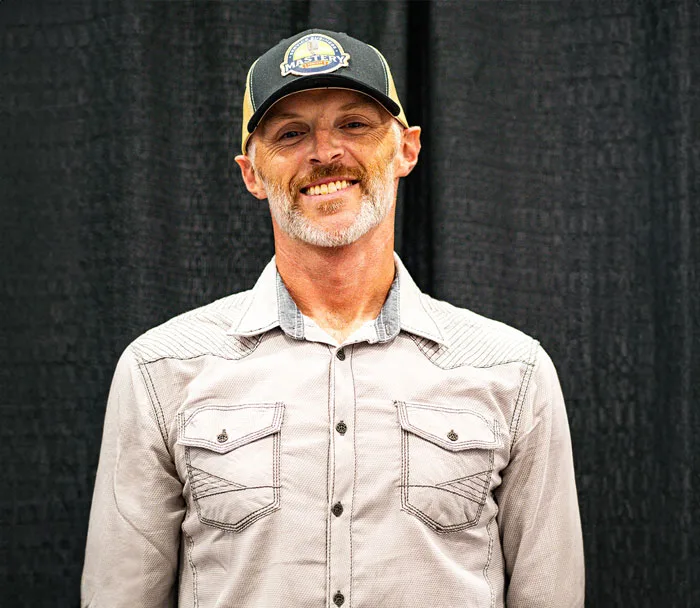
Angel owns a plumbing, heating, cooling, and electrical company in the Northeast. Like a lot of home service business owners, he had been trying to stay in touch with past customers through SMS marketing. The idea was simple: reach out, offer a deal, get some jobs on the calendar.
The problem? It was not working.
The campaigns would go out. A few people would respond. But the bookings were not coming in the way he expected. He was sitting on a list of customers who already knew and trusted his company, and he could not figure out why they were not responding.
That is when Relentless Digital asked to take a look.
The Campaign Looked Fine on the Surface
When Angel’s strategist reviewed the original campaign, it was not a mess. The idea was solid. A spring promotion called the “Spring Home Refresh” bundled a water heater flush and an electrical safety inspection at a discount. That is a genuinely useful service for homeowners coming out of a long New England winter.
But a good idea and a good campaign are two different things.
The original message read more like a brochure than a text from a real person. It was detailed. It was informative. It explained what a water heater flush does and why an electrical inspection matters. But it was also long, formal, and easy to ignore.
Here is the core problem: 98% of text messages are opened and read, but that does not mean they get acted on. When someone gets a text, they decide in about two seconds whether to keep reading. If the message does not hook them immediately, it does not get read.
The original campaign was not giving people a reason to act. It was giving them information. And information alone does not book jobs.
Three Reasons Your SMS Campaign Isn’t Converting
After a thorough review of the messaging and structure, Angel’s strategist identified three specific gaps that were likely killing conversion rates.
1. The Offer Was Not Clear Enough
The discount was mentioned, but the full value of what the customer was getting did not land the way it needed to. A customer reading quickly was not immediately sure what they were getting for their money.
2. The Value Was Too Vague
The original copy explained the services, but it did not make the customer feel the benefit. There is a difference between saying “a water heater flush removes sediment buildup” and saying “your water heater lasts longer and runs more efficiently.” One is a description. The other is a reason to care.
3. There Was No Real Urgency
The campaign mentioned April, but it did not create a reason to respond today rather than next week. Without urgency, people put it off. And when they put it off, they forget.
Angel’s situation is not unique. These are the same mistakes we see across home service companies of every size, trade, and market.
What the Revised Campaign Did Differently
The revised campaign was built around how people actually read and respond to text messages.
Instead of starting with details, it started with a hook. The first message came in like a text from a real person, not a flyer. It introduced the offer quickly, used plain language, and ended with a simple question: “Want me to grab you a spot this week?”
That question matters more than most people realize. It shifts the dynamic from a broadcast to a conversation. The customer is not being sold to. They are being asked.
The second message gave the full offer: both services, the bundled price, and the original price so the customer could see the savings clearly. Short. Easy to read. One decision to make.
Then came the follow-up messages, spaced a few days apart, each one creating a little more urgency. Spots were filling up. Time was running out. The last message said it plainly: this closes soon, do you want in before it does?
Why the Drip Sequence Makes All the Difference
This structure is called a SMS drip sequence, and it works because not everyone is ready to book on day one. Some people need a reminder. Some need to see the offer twice before it registers. SMS campaigns have an average response rate of 45% compared to email’s 6%, but that response rate drops sharply when there is no follow-up sequence in place. The follow-ups are not spam. They are a genuine service to customers who were interested but got busy.
The Results: Same List, Same Offer, Very Different Outcome
Angel chose to run a simplified version of the campaign. He kept the two main messages but skipped some of the follow-up sequence. That is a completely reasonable call for a business owner who wanted to test the approach without going all in at once.
Even with the lighter execution, the campaign performed very successfully. His team reported it as one of their best SMS campaigns to date.
The same customer list. The same general offer. A very different result.
This is not unusual. An HVAC company in Oklahoma running a similar pre-season campaign to 5,000 customers generated over $300,000 in revenue from a single send, including system replacements, repairs, and memberships. An HVAC company in Florida that was slow at the end of season sent to just 2,500 customers and booked 83 tuneups. These are not outlier results. They are what happens when the message, the timing, and the offer are aligned.
Want to see exactly how these campaigns are built, including the AI prompts used to write them? Watch the full SMS and email marketing webinar for home service contractors here.
5 SMS Marketing Mistakes Most Home Service Companies Make
Most home service companies are sitting on a goldmine they are not mining.
Your past customers already trust you. They have already let you into their home. They already know your team does good work. That makes them far easier to convert than a cold lead who has never heard of you.
But trust alone does not get someone to book. You still have to give them the right message, at the right time, in the right format.
Here is what most DIY SMS campaigns get wrong:
- They are too long. Text messages are not emails. People do not read paragraphs in a text. The ideal SMS length is under 160 characters. Go over that and your message splits into multiple texts, which increases cost and reduces readability.
- They lead with information instead of a hook. You have a few seconds to get someone’s attention. Use them wisely.
- They have no urgency. “We’re offering a spring special” is easy to ignore. “We have a few spots left this week” is not.
- They do not follow up. Most bookings do not happen on the first message. The fortune is in the follow-up.
- They sound like a business, not a person. Consumers are more likely to make a purchase when SMS communication feels personalized. The best SMS campaigns feel like they came from a real human who knows you, not a marketing department.
- They skip segmentation. Sending the same offer to a customer who just had a new system installed and one who has not been serviced in two years is a wasted send. Segment your list by last service date, equipment age, and service type before you send anything. This is the single most overlooked step in contractor marketing automation, and it is the one that makes the biggest difference in response rates.

The Bottom Line: Your List Is an Asset. Start Treating It Like One.
Angel’s story is not unusual. Across the home service clients Relentless Digital works with, a good offer fails not because customers do not want it, but because the message does not land. The same is true for the reviews sitting on your Google profile — a customer who trusts you enough to leave a five-star review is often the same customer who never got the right follow-up.
The fix is not a bigger discount or a fancier platform. It is understanding how people read, why they act, and how to structure a message that moves someone from “maybe” to “yes.”
If your SMS campaigns are going out and not converting, the problem is almost never the list. It is the message.
And that is something that can be fixed.
Ready to Turn Your Customer List Into Booked Jobs?
Relentless Digital works exclusively with home service contractors to build marketing systems that generate real revenue. If your SMS campaigns are going out but not converting, we’ll show you exactly why — and what to fix.
→ Book a free strategy call here.
Relentless Digital works exclusively with home service contractors to build marketing systems that generate real revenue. If you want to know what is keeping your campaigns from converting, we are happy to take a look.